Fresh, practical takes on SEO, web design, branding and digital marketing.
A guide to service landing page design, covering clear messaging, portfolio examples, contact forms, SEO, and conversion measurement to turn visitors into qualified customer inquiries.
A checklist for redesigning a website without losing SEO: preserve URLs, use 301 redirects, check canonical and noindex settings, test the new version, and monitor Search Console.
One of the key questions for marketing and growth managers: which channel, campaign, or touchpoint truly drove the sale, lead, or conversion?
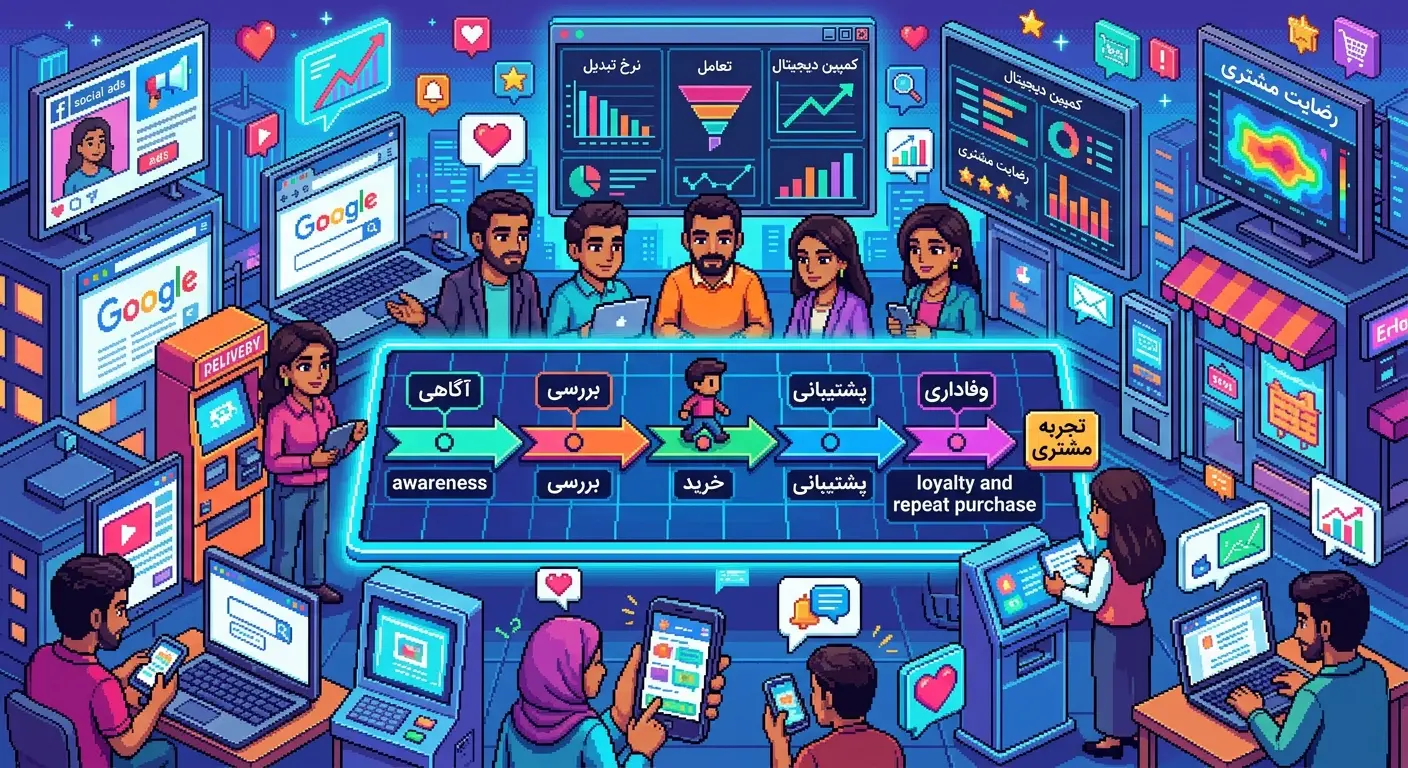
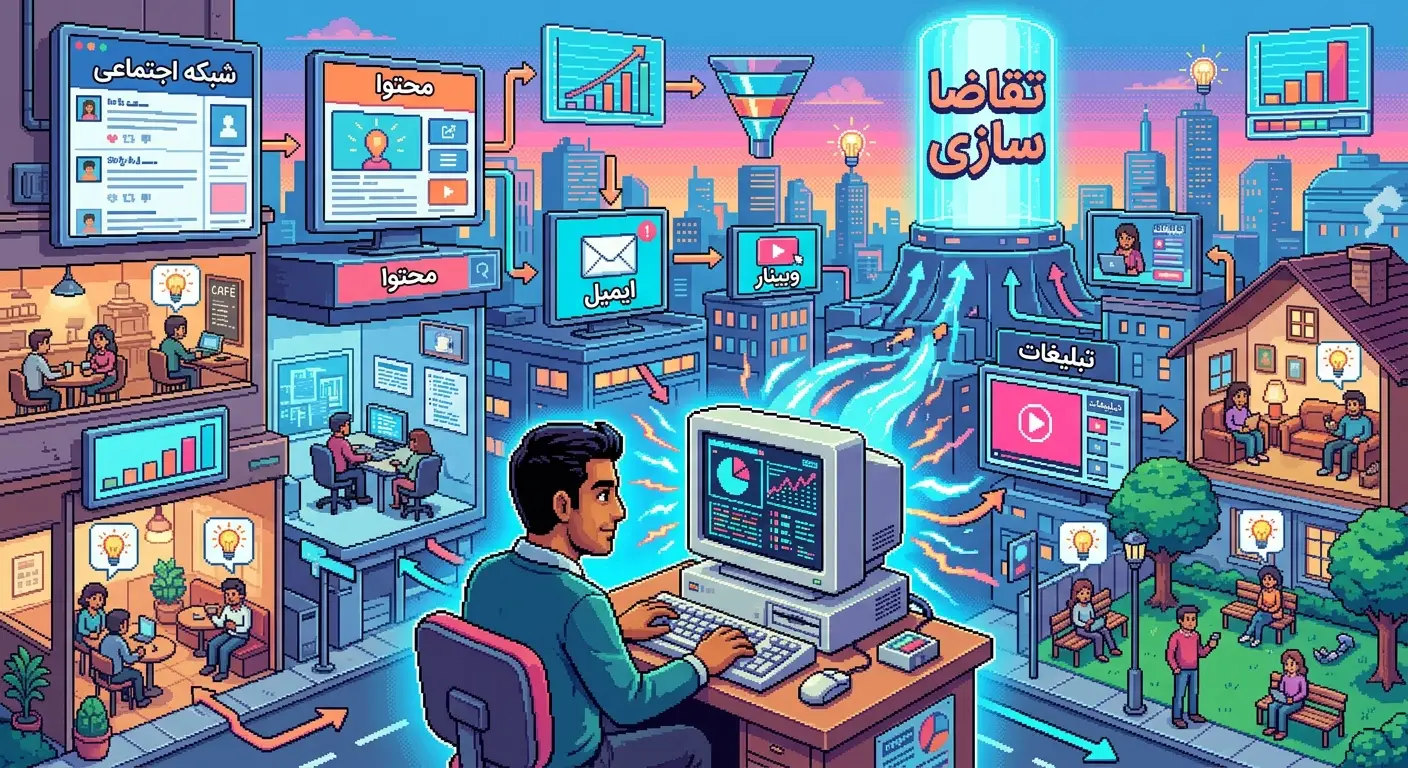
In many businesses, digital marketing campaigns are built around channels, not real customer behavior. One team focuses on Google Ads, another on Instagram, the content team on SEO, and sales follows its own path. The result is a brand that appears active across several channels, while the customer experience is fragmented, inconsistent, and sometimes confusing.
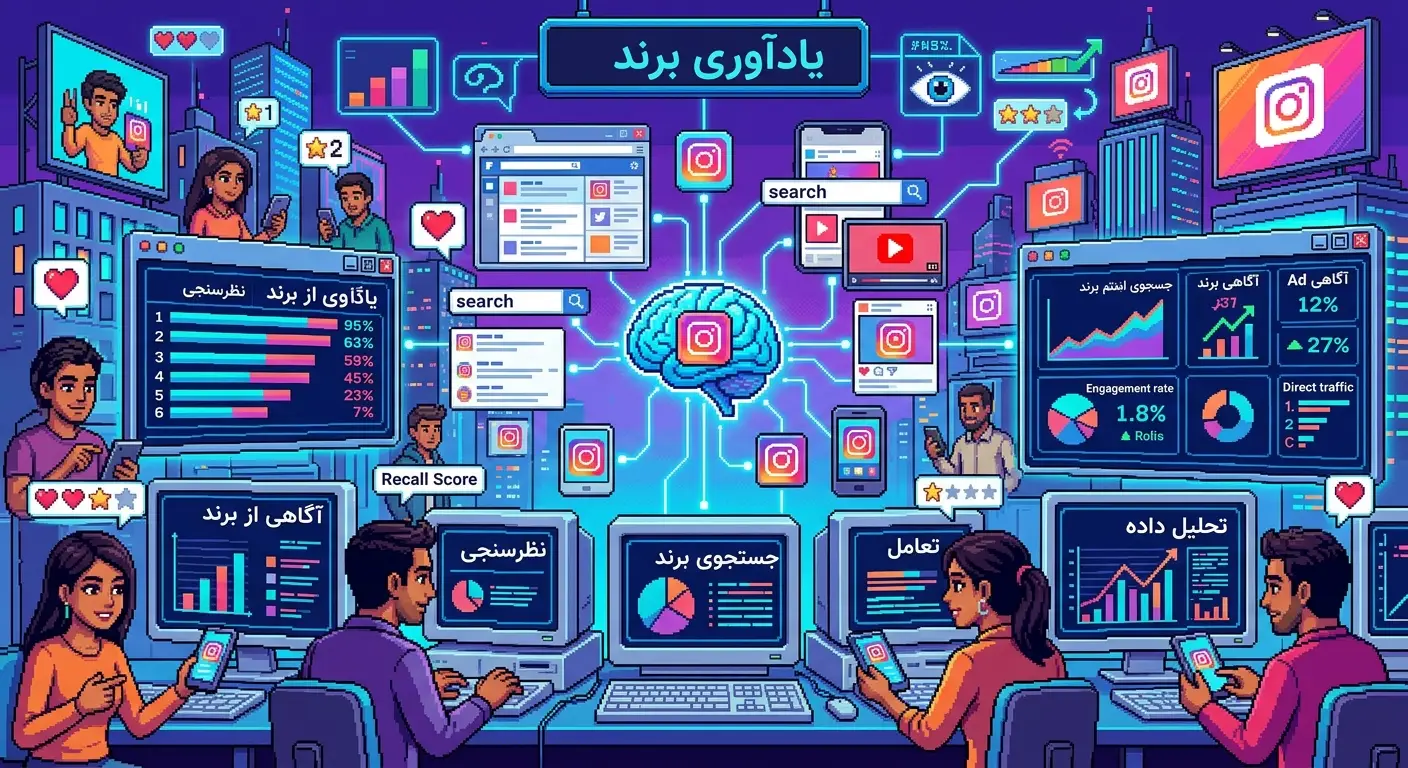
Many brands track only clicks, impressions, conversion and sales. These matter, but they never show the full picture of brand strength.
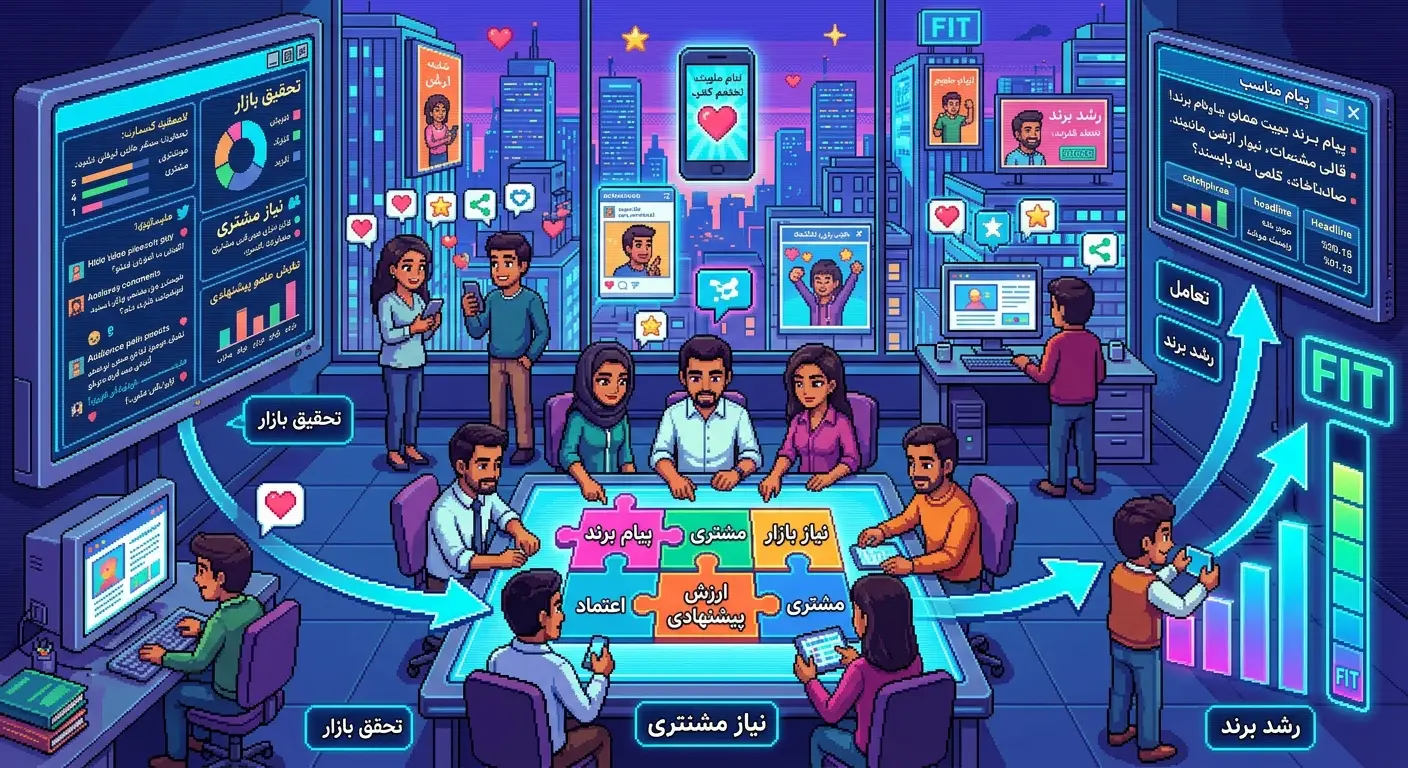
Often the problem is not the product or team, but that brand messaging does not land on what the market truly cares about.
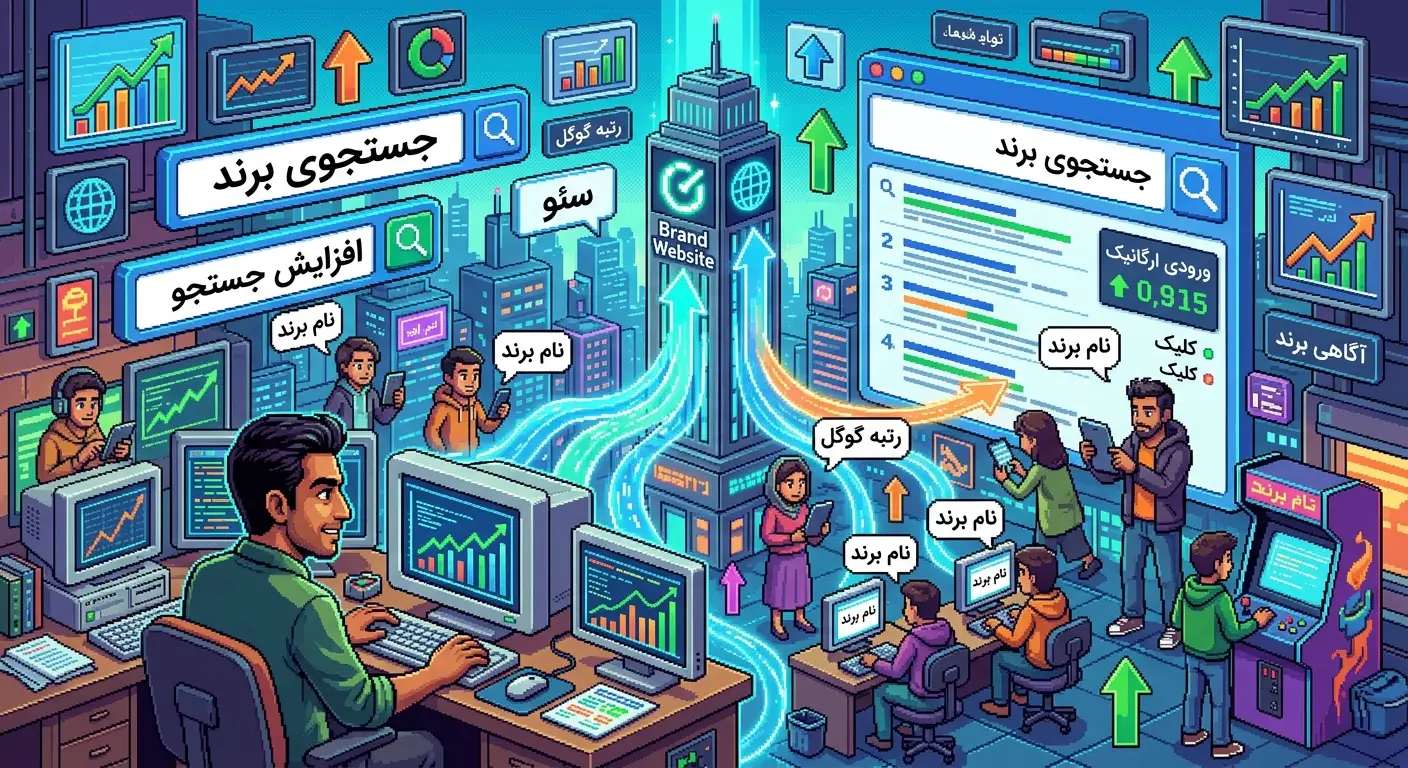
Brand Search Volume is the number of times users search for your brand name or related terms on search engines, especially Google, within a given period. For example, if your brand is “Chif,” searches such as Chif, Chif Agency, Chif Digital Marketing, and Chif Services may all count toward your Brand Search Volume. In simple terms, this metric shows how many people know your brand and are interested or curious enough to search for it directly.
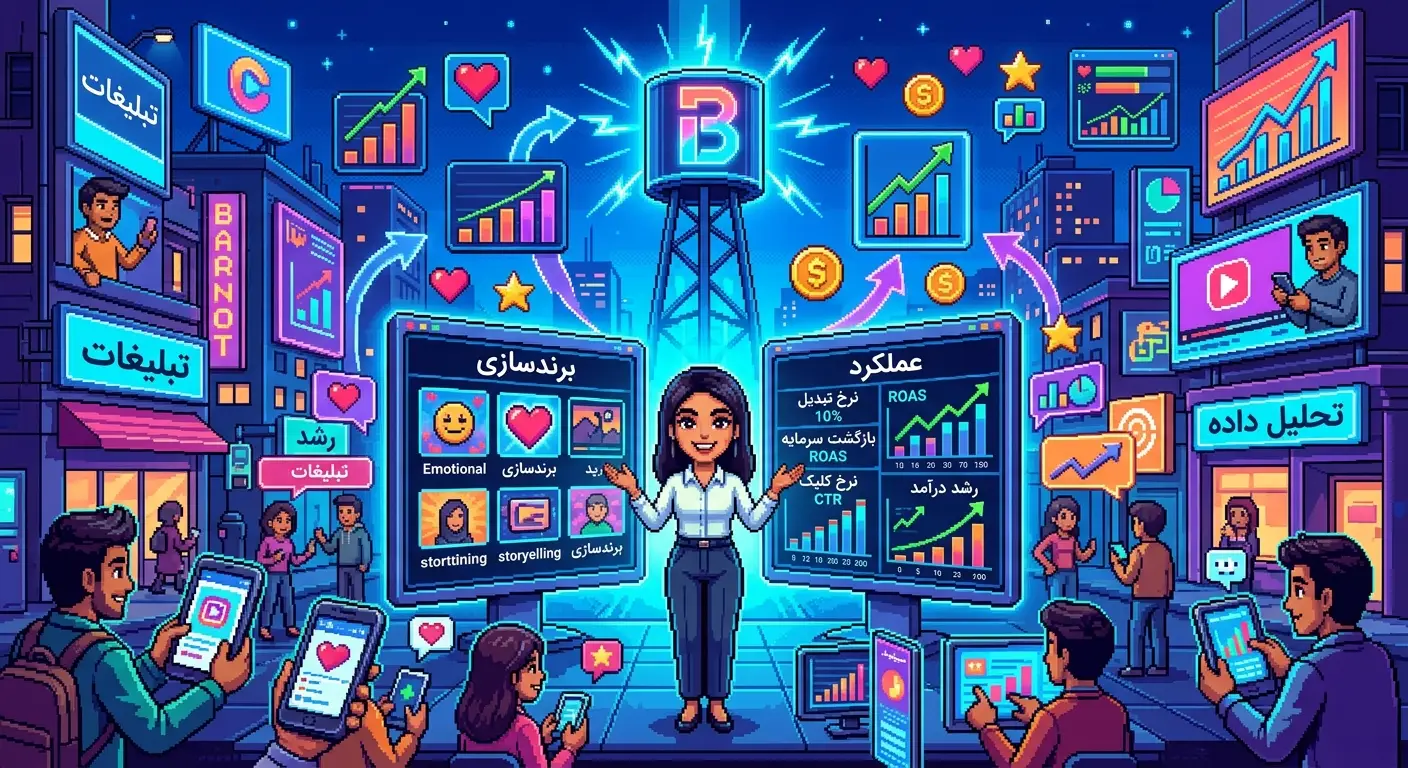
Performance Branding brings branding and performance marketing together in one measurable strategy—delivering near-term results while building long-term brand value.
In modern marketing, the real challenge is not catching ready-to-buy customers, but making the market need, know, and consider your solution.
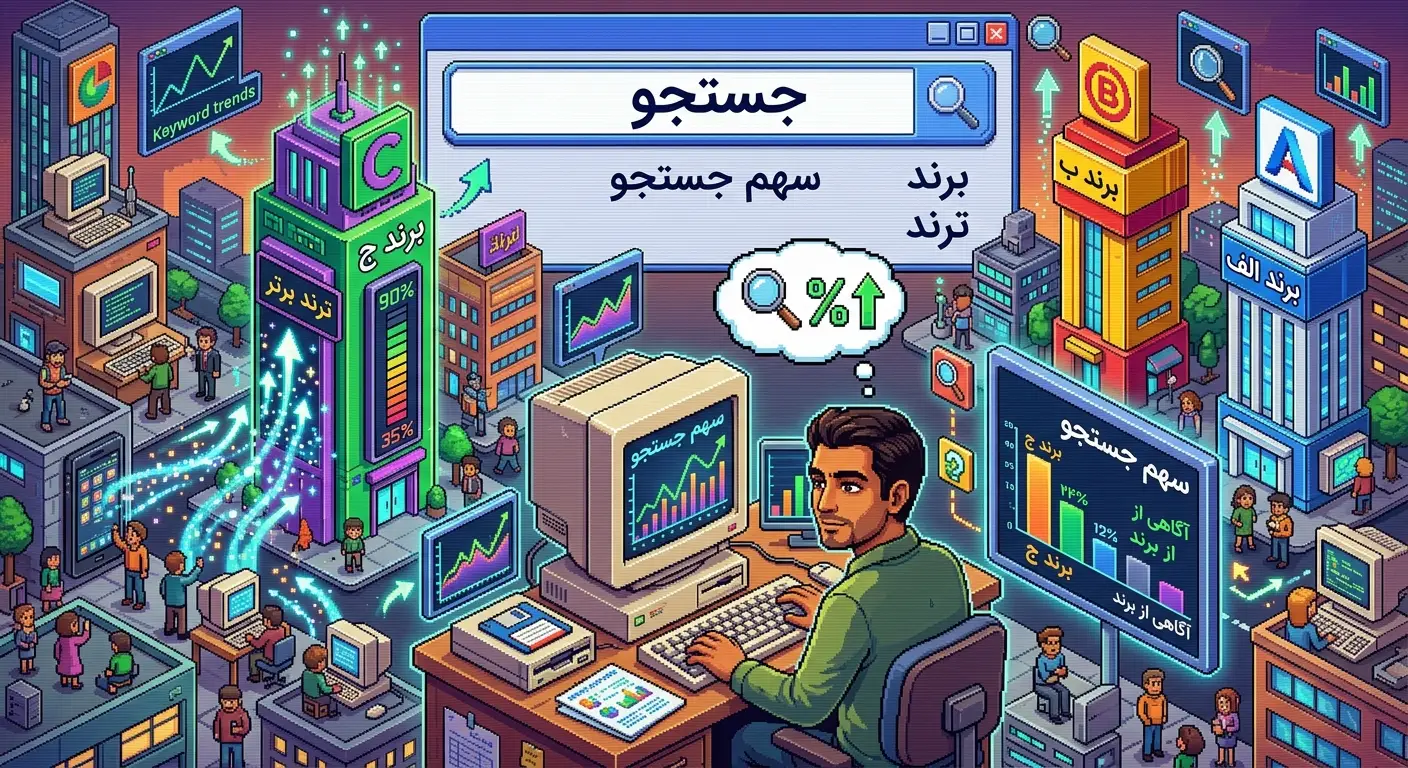
In digital marketing, not everything can be explained by sales, traffic, or conversion rates. Brands often need to understand how present they are in their audience’s minds, how visible they are compared with competitors, and whether their market growth is real or merely reflected in campaign reports. This is where concepts such as Share of Search become important.
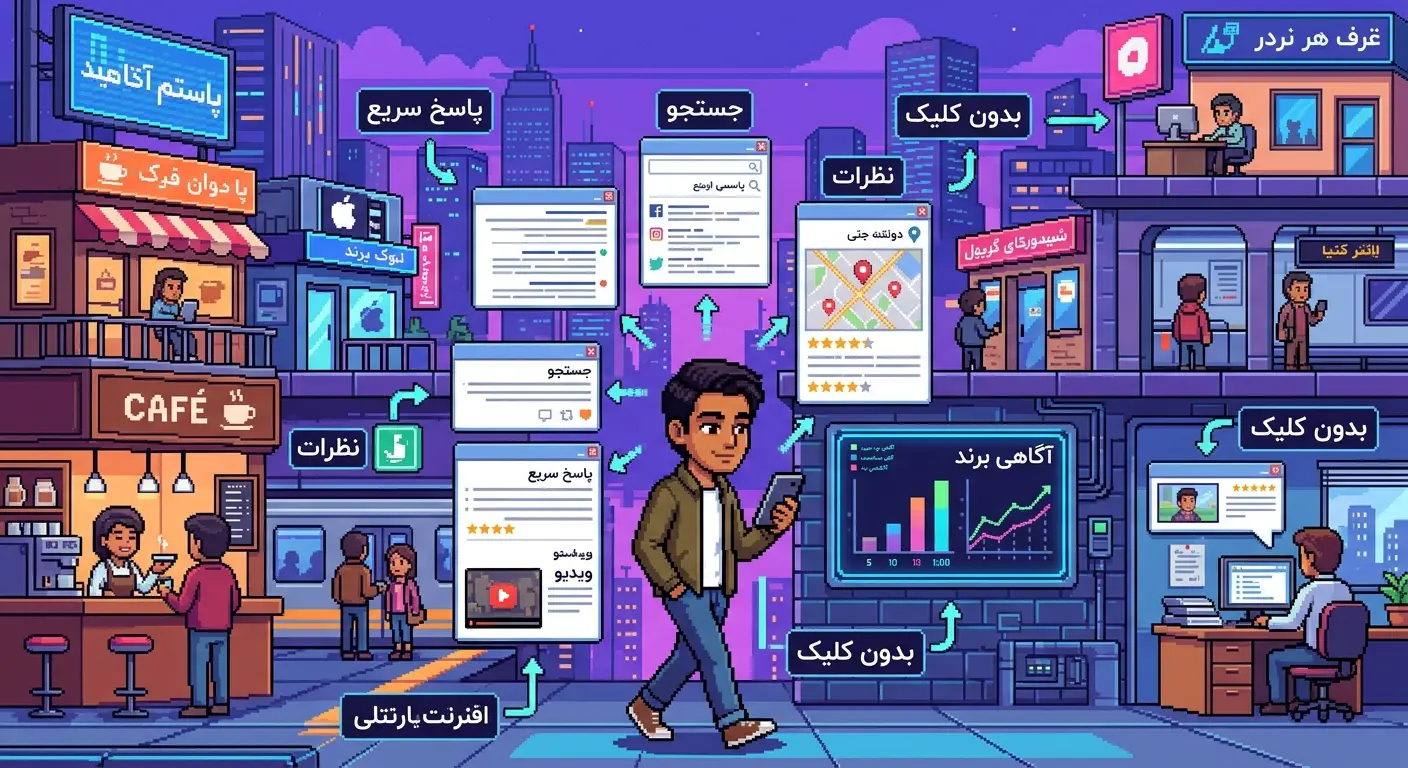
Digital platforms increasingly keep users within their own environments, while audiences expect quick answers. Zero-click marketing delivers value, brand messages, and useful experiences at the point of discovery, making clicks only one measure of impact.
Much of the sharing and discussion that shapes customers’ decisions happens privately—in messaging apps, email, and closed groups—and remains invisible to analytics. Understanding dark social helps brands recognize this hidden influence and create content people trust and recommend.
How can a website create a distinctive feeling and atmosphere? Web design has evolved beyond utility into an emotional space users feel, not merely see.
How can small movements create a big experience? Animations and micro-interactions shape much of today’s user experience.
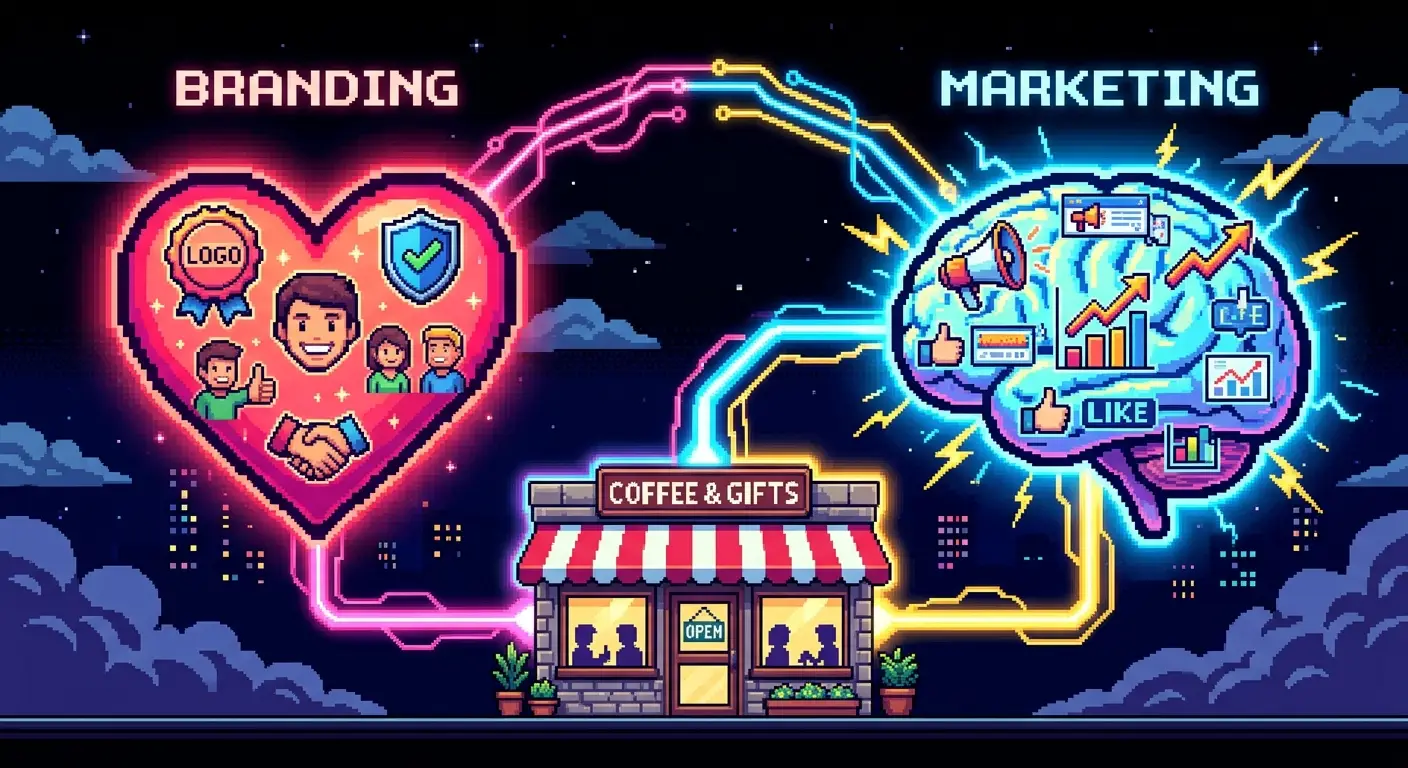
Branding and marketing are essential pillars of business growth, yet they are often confused or treated as interchangeable. This practical guide explains the difference and how to use them together.
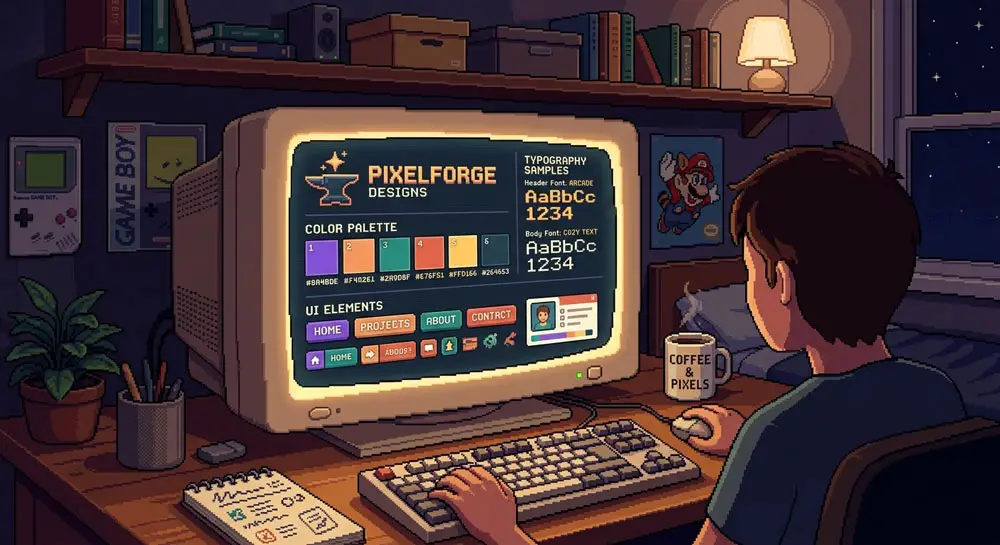
How does branding shape a website’s emotional experience? Brand identity is more than a logo or color palette: it is the visual, behavioral, and verbal expression of a business’s character.
Trust is one of the most fundamental feelings shaping human interaction with technology. In the first few seconds on a website, users form an impression of its trustworthiness—an instinctive judgment shaped by design, visual cues, and user experience. This article explores the design choices that build confidence, the signals that reassure visitors, and the factors that can undermine trust.
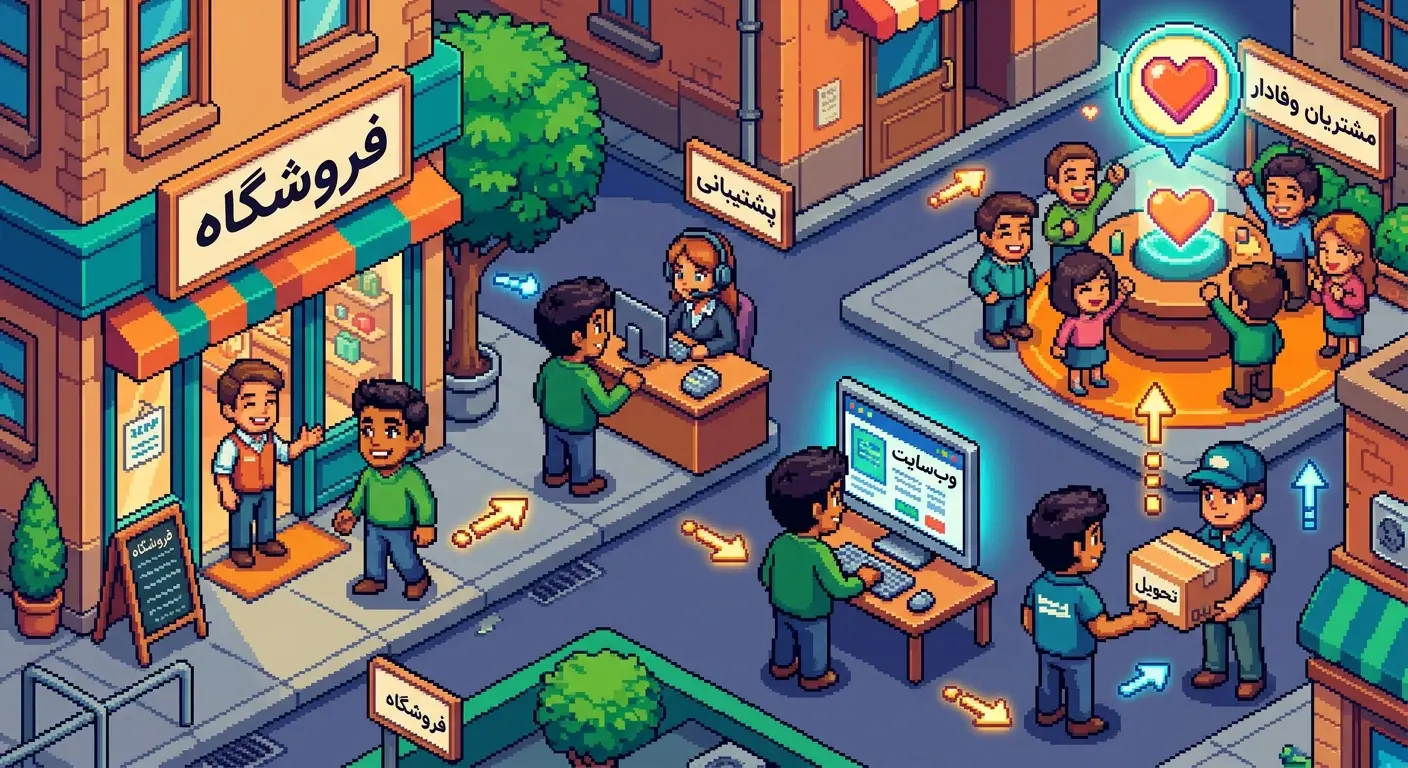
Many businesses focus on acquiring new customers through advertising, campaigns, and discounts. But sustainable growth depends more on loyal customers—people who buy again, recommend the brand, and keep choosing it. This article explains how customer experience (CX) helps businesses create that loyalty.
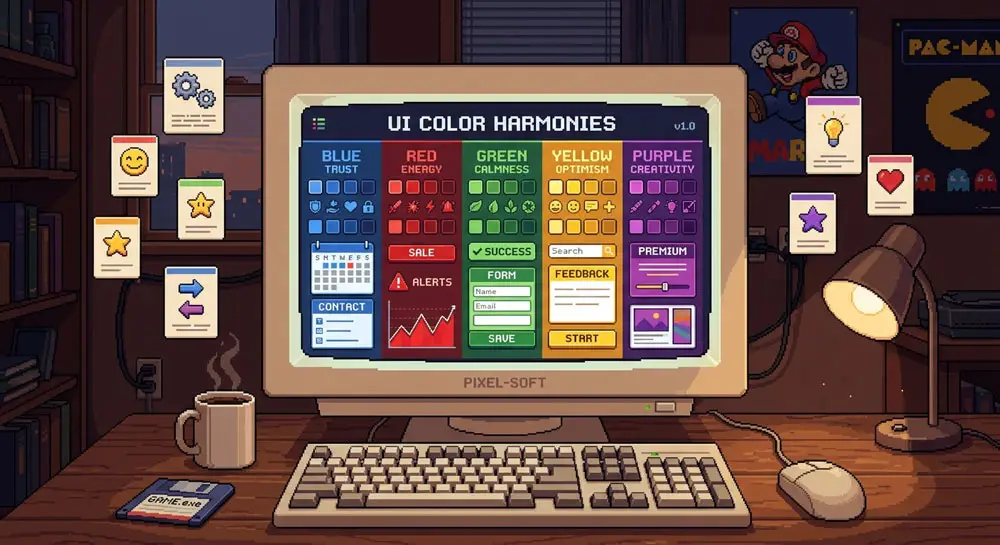
Colors are among the most powerful emotional tools in web design. They can evoke calm, excitement, trust, seriousness, or even anxiety. This article explores how color choices and combinations shape users’ feelings, perceptions, and behavior, and how thoughtful palettes can improve the experience.
Today, most purchase decisions are made before a conversation with a salesperson. People search Google, research on social media, and draw on others’ experiences. Content helps a business get noticed, earn trust, and stay in its audience’s mind. This article explains what content creation is and how it supports brand growth.
Why do some designs frustrate users, erode trust, and drive them away? Visitors enter an emotional space, not just a source of information; every design choice—from color and typography to animation, advertising, and speed—can make them feel better or worse.
Beyond colors and graphics, user experience (UX) can profoundly change how visitors feel about a website. UX encompasses whether people feel at ease, reach their goals quickly, or encounter confusion and stress.
A website may look like text, images, and buttons, but it is an emotional experience. Just as we quickly form an impression of a physical store, our brains judge a website within seconds—and that judgment shapes whether we stay, trust it, or leave.
How can politicians build a lasting, influential image in the public mind? In today's competitive, media-driven political environment, political branding is no longer optional: it is a strategic necessity for shaping perception and earning lasting trust.
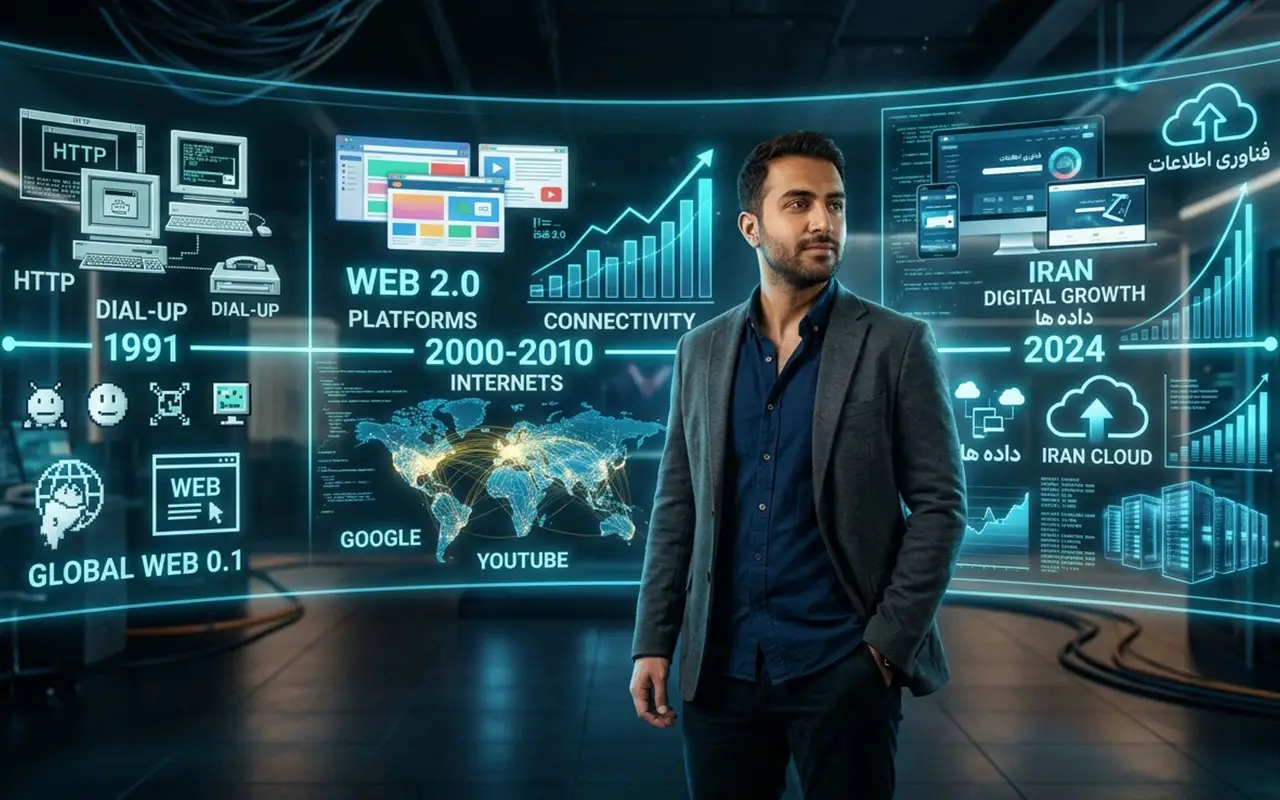
Today, the growth of websites worldwide is one of the digital age’s most remarkable phenomena. From the internet’s beginnings as a simple research network to the billions of websites active today, this exponential growth has transformed human life. If you are looking for global internet statistics, reports from Statista and Internet Live Stats show that the number of active websites exceeded 1.13 billion in 2023—a figure that started from zero in 1991. This comprehensive article examines the history of the web, the growth of Iranian websites, and global trends. Focusing on Persian web statistics and the future of the internet, we aim to present a complete picture of this transformation. Whether you own a business or are interested in the number of websites worldwide, this article is for you.
Launching a store is only the first step. The real challenge is attracting visitors and turning them into loyal buyers.
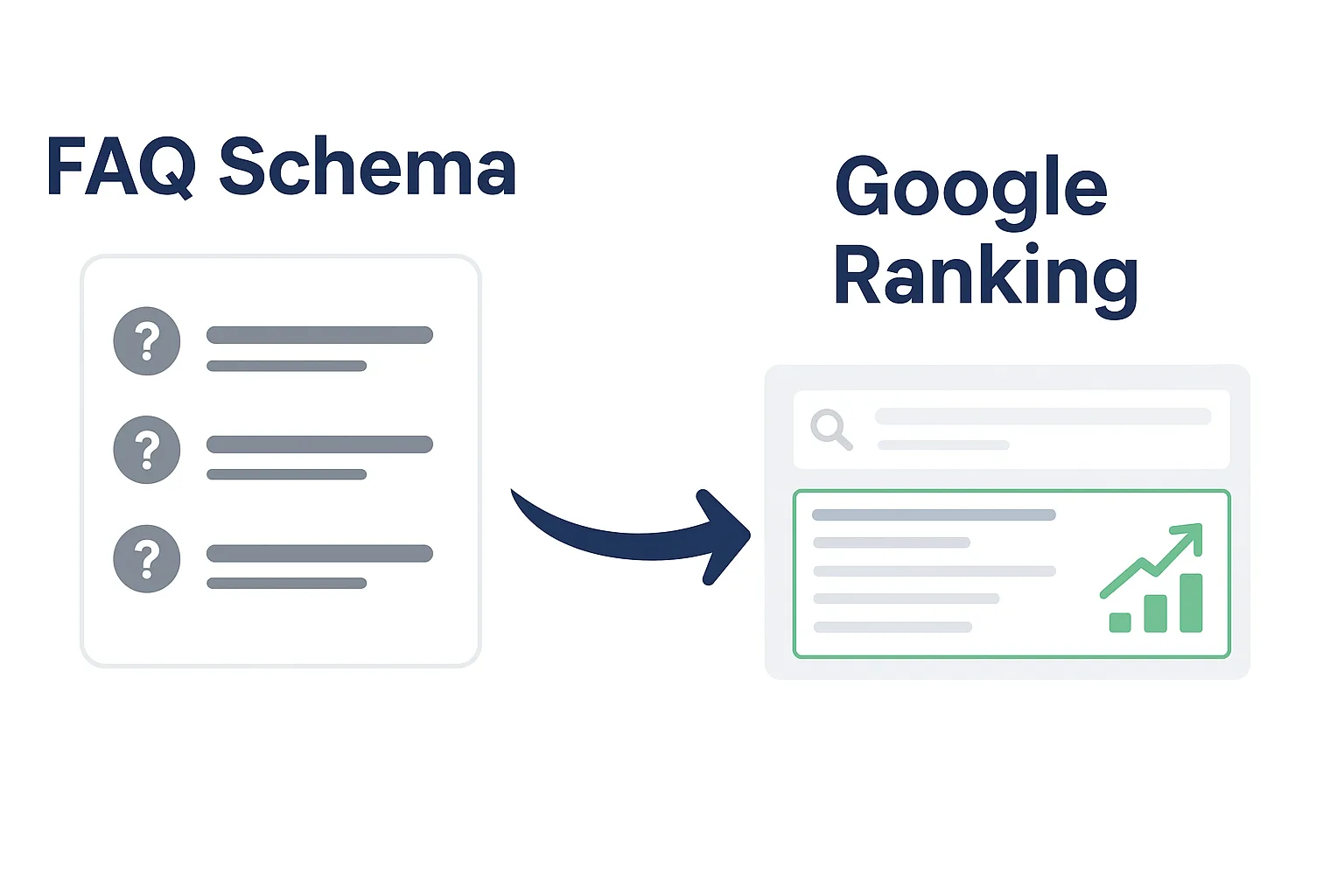
An in-depth, documentation-based analysis of FAQ schema and Google rankings, including its SEO benefits, limitations, risks, and implementation best practices.
An introduction to digital marketing, its business benefits, key channels and disciplines, and common questions about planning and measuring campaigns.
An overview of today's branding landscape, covering digital trends, customer experience, successful strategies, data analysis, and emerging technologies.
Learn what branding means, why it matters in competitive markets, and the key elements and practices that help build a strong, successful brand.